
A great wedding reception isn't about luck. It's about timing. The same guests, the same food, the same DJ can produce a packed dance floor or a half-empty room depending entirely on how the timeline is built. After working hundreds of receptions at Stag Entertainment, we can tell you confidently: timeline is the single most under-discussed factor in wedding success.
Here's how to build a reception timeline that keeps energy high from cocktail hour to last call — with the specific timing principles we wish every couple knew.
The Foundational Principle: Energy Has a Shape
Every great reception follows the same energy arc:
- Build during cocktail hour (warm, social, anticipatory)
- Pause for dinner (intimate, conversational)
- Spike with toasts and parent dances (emotional, attention-focused)
- Peak during the main dance set (high energy, packed floor)
- Plateau and close with a meaningful final moment
When timelines fail, it's almost always because they ignore this arc — leaving the dance floor open too early, scheduling toasts at the wrong time, or letting the energy plateau before peak time.
The Standard Wedding Reception Timeline
Here's a proven timeline structure for a 5–6 hour reception, which you can adjust for your specific event. We'll use a 5:00 PM ceremony as our anchor, which is one of the most common wedding start times.
5:00–5:30 PM | Ceremony
Most ceremonies run 20–30 minutes. Plan for 30 minutes to account for late guests, processional pacing, and the natural slowdown that happens when people are emotional.

5:30–6:30 PM | Cocktail Hour
This is the most underestimated hour of your wedding. Use it strategically:
- Music: Curated cocktail playlist or live musician (jazz, acoustic, classical, Latin — match your vibe). Keep it instrumental or background-friendly so guests can talk.
- Food: Passed appetizers serving 4–6 pieces per guest. Hungry guests = grumpy guests.
- Photography: This is when family formals and wedding party photos happen. Yes, you'll miss part of cocktail hour. That's expected.
- Photo booth: Open it now. Cocktail hour is photo booth prime time. (See why a photo booth is a top wedding investment.)
- Bar: Two bars minimum for guest counts over 100. One bar means a 20-minute line and a frustrated room.
Pro tip: Keep cocktail hour to one hour. Going to 90 minutes drags the energy. Going under 45 minutes leaves your photographer in a panic.
6:30–6:45 PM | Reception Entrance and Welcome
Move guests from cocktail space to reception space. Most venues handle this with a verbal cue from the planner or banquet captain. Once guests are seated:
- Wedding party introductions: Energetic, music-driven, 5–10 minutes
- Couple's grand entrance: The energy peak of the early reception
- Welcome from the couple or a host: Brief — under 90 seconds
- Blessing or moment of reflection (if applicable): 1–2 minutes
6:45–7:30 PM | Dinner Service
The structure of dinner depends on your service style:
Plated dinner: Three courses in 60–75 minutes. Salad service starts immediately; entrée 25–30 minutes after; dessert often deferred until after dancing begins.
Buffet: Tables released systematically (your DJ should manage this, calling tables in coordination with your planner). Allow 45–60 minutes total.
Family-style: 60–75 minutes. Particularly social and energetic — pairs well with shorter cocktail hours.
Stations: Most flexible but requires more space. Allow 75–90 minutes.
During dinner, music should be background level — guests can talk over it, but it fills the silence and creates atmosphere. Acoustic, jazz, R&B, or curated low-energy modern hits work well.
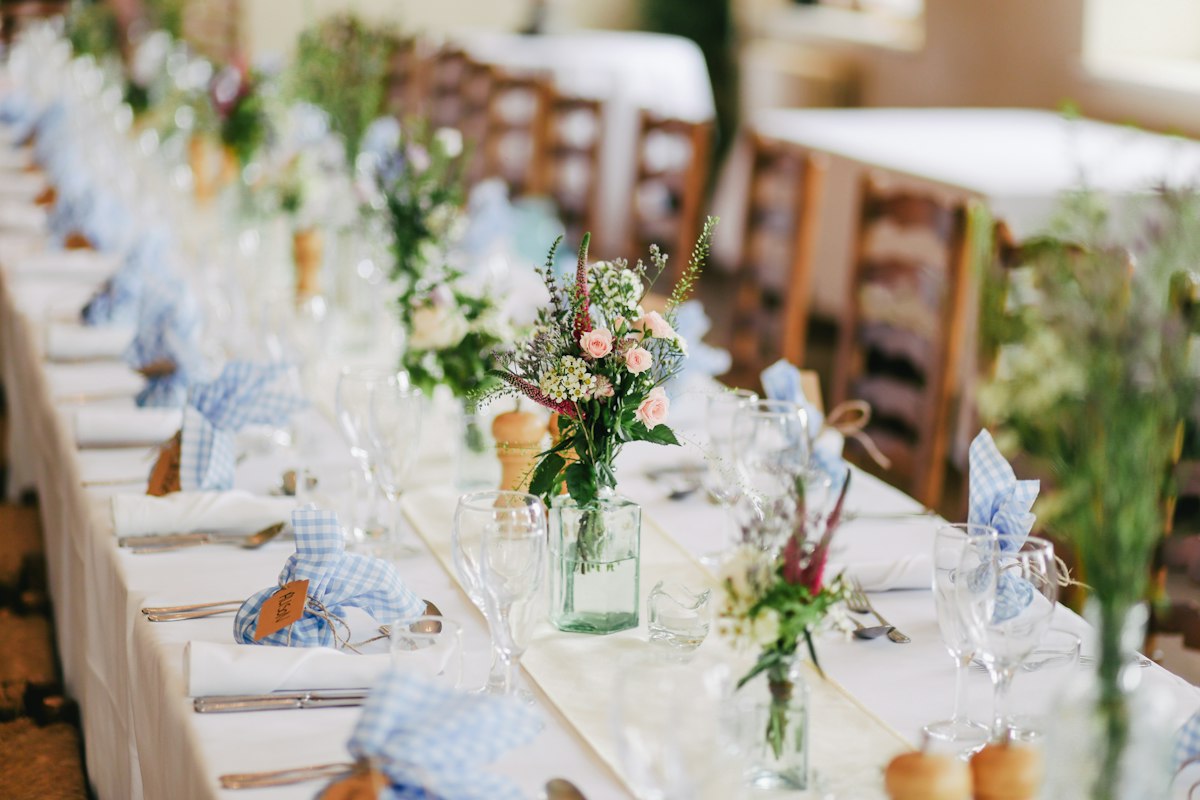
7:30–7:50 PM | Toasts
Toasts are tricky. They're emotionally critical and, when poorly timed, energy-killing. Here's how to handle them:
- Schedule them mid-dinner — typically between salad and entrée, or after entrée plates are cleared. This keeps guests captive but engaged.
- Limit to 4–5 toasts maximum: best person/maid of honor, parents (one each side), and either the couple themselves or another key person.
- Cap each toast at 3 minutes. Tell your toasters this in advance, in writing. They will all go long anyway.
- Total toast time: 12–15 minutes. Anything longer kills the room.
If you have extended toasting traditions (some families and cultures do), spread them across the reception — a few during dinner, others positioned as transitions throughout the night.
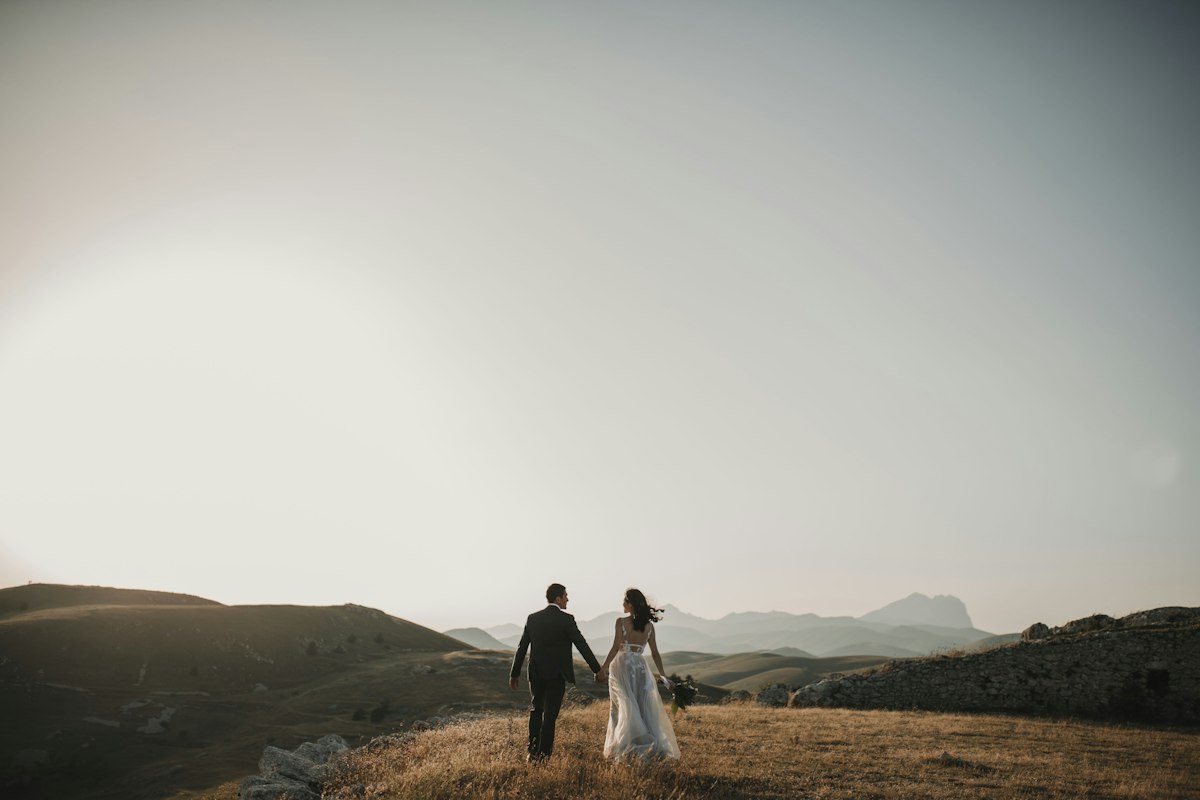
7:50–8:15 PM | First Dances and Cake Cutting
This is your emotional spike before the main dance set. The order matters:
- First dance (couple): Sets the tone. Many couples now do partial dances (90 seconds) to keep energy moving.
- Parent dances: One-and-one or combined, 2–3 minutes total. Many couples are now combining or shortening these.
- Cake cutting: Short, photogenic, often with quick celebratory music.
This entire sequence should take 20–25 minutes. Longer drags the room into "watching mode" right before you need them in "dancing mode."
8:15–10:00 PM | Open Dance Floor
This is the heart of your reception. Get the timing here right and everything else forgives itself.
The first 15 minutes of open dancing are critical. Your DJ should:
- Open with songs that pull people to the floor immediately
- Build energy gradually rather than peaking too early
- Read the crowd and adjust genres on the fly
- Coordinate with you on must-play moments (anniversary dance, group photos, etc.)
The middle of the dance set typically includes:
- Anniversary dance (married couples on the floor, eliminated by years married)
- Bouquet/garter toss (if you're doing them — many couples are skipping these now)
- Photo booth surge as guests rotate between dancing and the booth
10:00–10:30 PM | Late Night Bites and Closing Set
A few tactical moves for the final 30 minutes:
- Late night snacks arrive: pizza, tacos, sliders, donuts. Guests who've been drinking and dancing for hours appreciate this enormously.
- DJ closing set features high-energy tracks designed to keep the floor packed until end time
- Last dance — your designated final song
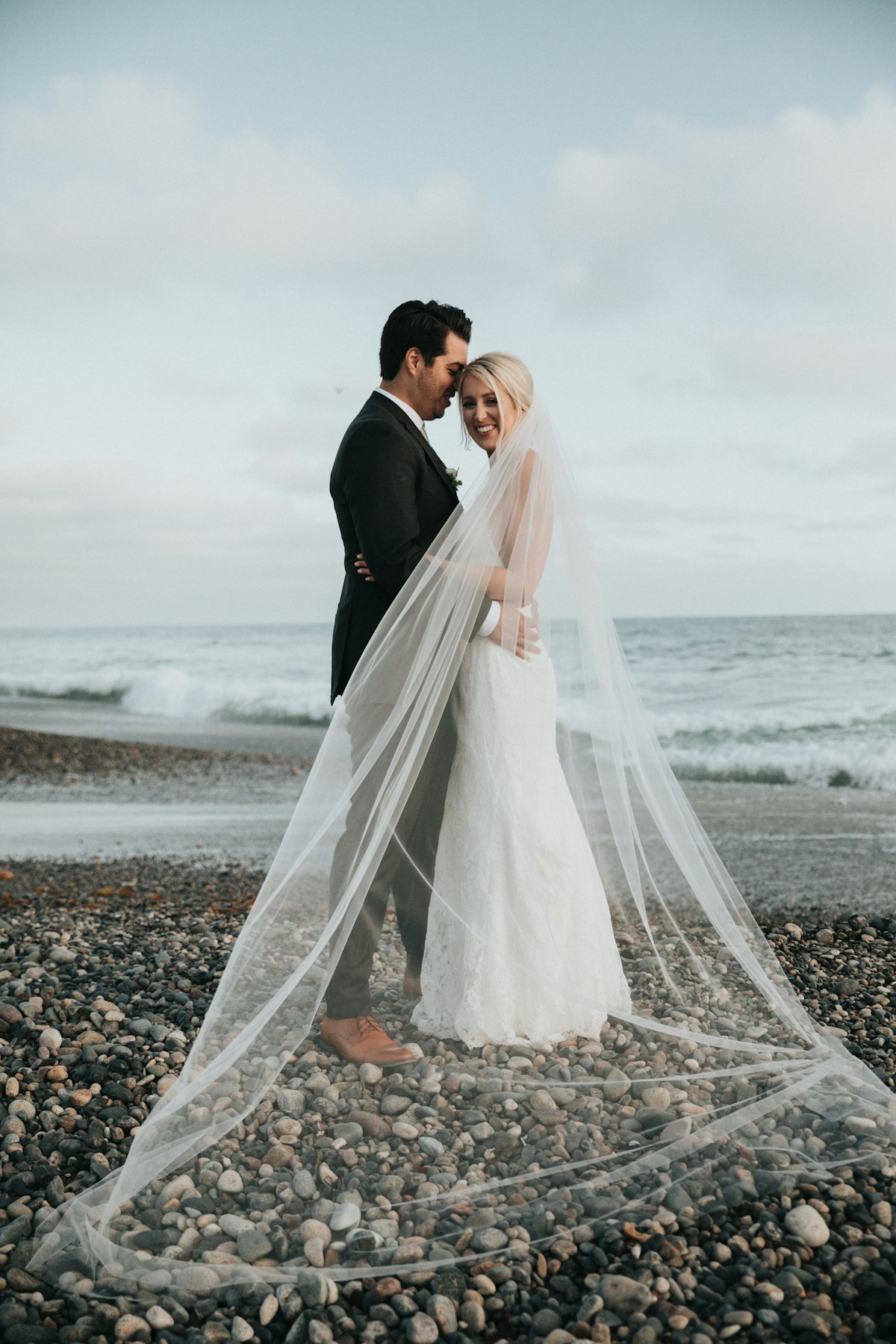
10:30 PM | Grand Exit
Sparkler exits, glow sticks, ribbon wands — whatever your style, the exit should be choreographed and quick. Brief your DJ on the exact closing song, your wedding planner on the exit logistics, and your photographer on the shot list.
Timeline Variations
For 4:00 PM Ceremonies
Shift everything 60 minutes earlier. Cocktail hour from 4:30–5:30, dinner at 5:30, dancing starting around 7:00. Works particularly well for outdoor ceremonies wanting good light.
For 6:00 PM Ceremonies
Shorten cocktail hour to 45 minutes. Dinner at 7:00, dancing starting around 8:30. The compressed timeline keeps energy from sagging during a late dinner.
For Religious or Cultural Ceremonies
Many religious traditions include receiving lines, signing ceremonies, or extended family blessings between ceremony and reception. Build these in honestly rather than hoping they'll fit. A 90-minute "cocktail hour" that's actually a receiving line is fine — just plan for it.
For Multi-Cultural Weddings
If you're combining traditions, give each its own dedicated time block rather than trying to interleave them. A 30-minute traditional dance set followed by a 90-minute open dance set works much better than alternating throughout the evening.
The Five Timeline Mistakes That Kill Receptions
1. Opening the Dance Floor Too Early
If guests are still finishing dinner when the dance floor opens, the dance floor will sit empty. Wait until at least 80% of plates are cleared before transitioning to formal dances. Your DJ should coordinate this with the catering team in real time.
2. Letting Toasts Drag
Even if every toast is heartfelt and meaningful, 45 minutes of speeches kills a room. Cap total toast time at 15 minutes. Move long toasts to the rehearsal dinner where they belong.
3. Scheduling the Bouquet Toss at Peak Dance Time
Interrupting a packed dance floor for a bouquet toss is one of the most common timeline errors. If you're doing it, schedule it during the natural energy dip about an hour into the dance set, not at peak time.
4. Forgetting About Vendor Meals
Your photographer, videographer, DJ, and planner all need to eat. Build a 20-minute window for vendor meals — typically right after couple meals are served. Working a 10-hour wedding without food affects vendor performance directly.
5. Not Building Buffer Time
Every wedding runs late. Every. Single. One. Build 15-minute buffers between major transitions (ceremony to cocktail, cocktail to dinner, dinner to dancing) so you can absorb delays without cascading them.
How Your DJ Should Drive the Timeline
A great wedding DJ is essentially the conductor of your reception timeline. They should:
- Receive your full timeline at least 2 weeks before the wedding
- Coordinate with your planner, photographer, and catering team day-of
- Make announcements that move guests through transitions smoothly
- Read the room and flex timing in real time when needed
- Hold the line on long toasts and slow transitions
If your DJ isn't actively driving the timeline, you've hired the wrong DJ. This is the difference between a DJ who plays music and a DJ who runs your reception. (Our 10 questions to ask before booking guide helps you vet for this exact skill.)
Final Timeline Checklist
Before your wedding day, confirm:
- Master timeline distributed to all vendors 2 weeks out
- Toast list finalized with order and time limits communicated
- Must-play and do-not-play list submitted to DJ
- Vendor meal timing built into the catering plan
- Buffer windows protected (don't fill them with extras)
- Grand exit logistics confirmed with photographer and planner
- Day-of point person designated for last-minute timeline decisions
The Bottom Line
A great reception timeline isn't about cramming activities into hours. It's about respecting the natural energy arc of a wedding and building in the structure that keeps guests engaged throughout. The best receptions don't feel rushed and they don't feel slow — they feel inevitable, like every moment is exactly where it belongs.
Build your timeline thoughtfully. Defend it from creep and overload. Trust your DJ and planner to execute it. Do that, and your reception will deliver the kind of night your guests remember for years.